

Rural High School Program
The Rural High School Medical Student Recruitment Program supports regional and rural students in Western Australia on their journey to a career in medicine. Recognising the unique challenges these students face, the program provides tailored guidance on both direct-entry and alternative pathways into medical school.
In Year 12, students receive support to meet key deadlines for entry into university and may be eligible to receive financial and logistical assistance to attend University Clinical Aptitude Test (UCAT) testing and medical school interviews in Perth. The program also offers preparation sessions for UCAT, Tertiary Institutions Service Centre (TISC) applications, and medical school interviews.
Working alongside students, parents, guardians and teachers, our Program Coordinator ensures students have the resources and guidance they need to take their first steps toward becoming the next generation of rural doctors.
As a Regional Training Hubs initiative, this program plays a vital role in strengthening the future rural medical workforce. Learn more about Regional Training Hubs here
What we do
Application Prep
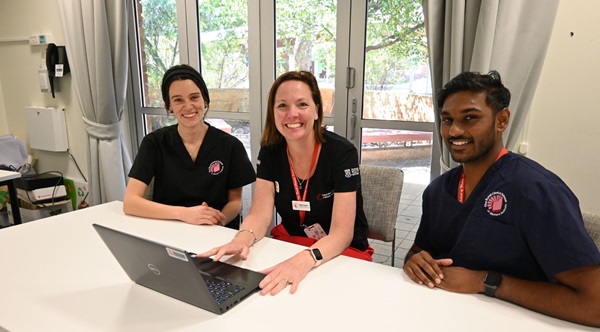
We support students with application guidance, interview coaching and UCAT preparation.
.png?w=600&hash=67600711190F8905A3C0726A05131DD1)
Travel & Logistics
We assist with travel and logistics for exams and interviews in Perth, reducing barriers to access.

Mentoring
We link students with university mentors who share insights and guidance on medicine and dentistry pathways.

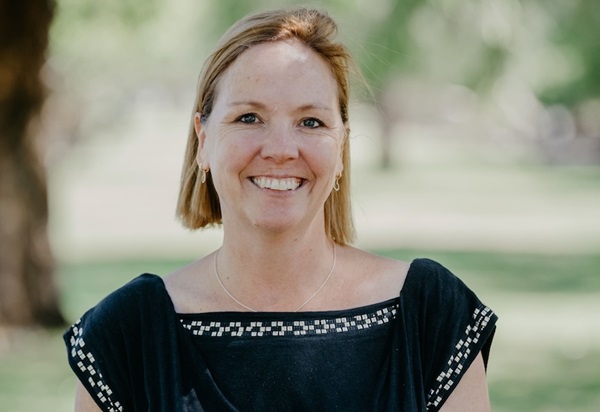
My role is to provide guidance and encouragement, so every rural studentEmma Cooper
feels supported exploring their pathway
into medicine.
Program Coordinator
Important Dates for Year 12 Students in 2026
|
Deadlines |
Date |
|
UCAT Booking Deadline |
15 May |
|
UCAT Testing: Perth Bunbury Geraldton |
1 July – 9 August 9- 10 July 7 July |
|
TISC Application Deadline |
30 September |
|
UWA Rural Eligibility Form Curtin Rural Eligibility Form UNDA Rural Eligibility Form |
30 September Mid October TBA |
|
UWA Interview - IN PERSON Regional Interview |
TBA December TBA December |
|
Curtin Interview - IN PERSON Regional Interview |
TBA December TBA December |
|
UNDA Interview – ONLINE Regional Interview |
TBA October TBA October |
FAQs
-
What support does Regional Training Hubs provide to rural high school students?
Regional Training Hubs provides comprehensive support to help rural high school students navigate their pathway into medicine. This includes mentoring and guidance throughout the application process, as well as preparation sessions for the University Clinical Aptitude Test (UCAT), Tertiary Institutions Service Centre (TISC) applications, and medical school interviews. We provide access to current medical student mentors who share advice and encouragement based on their own experiences.
Each year we visit rural high schools to deliver information sessions for Year 11 and 12 students and offer career taster workshops tailored to each school’s needs. In addition, practical assistance is available for students who need to travel for tests and interviews. This can include financial support, airport pick-up and drop-off, transport to accommodation and test venues, and arranging accommodation in the same hotel as other rural students.
Apply here for logistical or financial support
-
I'm interested in studying medicine. Where should I start?A good place to begin is by ensuring you have selected Chemistry as one of your senior school subjects, as this keeps your options open across all universities.
If you are in Year 11 or 12, your school can arrange a meeting with the Regional Training Hubs' Rural High School Medical Program Coordinator. The Program Coordinator will provide guidance and help you stay on top of key deadlines throughout the application process.
There is no need to pay for external tutoring or coaching—all the support and information you need is available free of charge either through Regional Training Hubs or other stakeholders.
Get in contact with the Rural High School Medical Program Coordinator here -
What are the pathways to studying medicine?
There are two main pathways to studying medicine at university. The first is the school leaver pathway, which requires you to achieve a high Australian Tertiary Admission Rank (ATAR), complete the University Clinical Aptitude Test (UCAT), and attend a Multiple Mini Interview (MMI).
The second is the graduate entry pathway, where you will need to have a strong Grade Point Average (GPA), complete the Graduate Medical School Admissions Test (GAMSAT), and attend a MMI.
-
What should I know about the UCAT and GAMSAT?
All the resources you need to prepare for these tests are available for free on the official UCAT and GAMSAT websites, so there is no need to pay for external preparation courses.
The UCAT is required for school leavers applying to medicine or dentistry. It assesses skills such as verbal reasoning, decision-making, quantitative reasoning, and situational judgement. Even if you are unsure about studying medicine, it is worth sitting the UCAT, as you can then decide later whether to apply.
The GAMSAT is required for graduate entry into medicine or dentistry. It covers areas including humanities, social sciences, english, biology, and the physical sciences.
-
What is the Multiple Mini Interview?The Multiple Mini Interview consists of a series of short, timed interview stations, each designed to assess different skills and attributes. These may include ethics, social issues, situational judgement, and personal insight, providing a comprehensive view of your suitability for medicine.
RCSWA offers interview preparation sessions, which are typically held in September, to help you feel confident and well-prepared. -
What is an assured pathway?At the University of Western Australia and the University of Notre Dame Australia, the assured pathway allows you to be accepted into both an undergraduate degree and the postgraduate Doctor of Medicine (MD) program at the same time. Provided you maintain a strong GPA, your place in the MD program is guaranteed.
-
MD vs MBBS—what’s the difference?The Doctor of Medicine (MD) is a four-year postgraduate degree, while the Bachelor of Medicine, Bachelor of Surgery (MBBS) is a five-year undergraduate degree. Both qualifications allow you to become a doctor, and your career progression remains the same regardless of which degree you complete.
-
What ATAR do I need?
The ATAR score you need to achieve to study medicine varies by university and is subject to change each year.
- Curtin 95 includes eligible bonus schemes
- UWA 98 includes eligible bonus schemes
- UNDA 90 (raw) no bonus schemes applied
-
I’ve sat the UCAT—what now?It is completely normal to feel uncertain about your score. UCAT results are used to rank applicants for interviews and offers, but it is not possible to compare your score meaningfully without knowing the results and preferences of all the other applicants. Instead, focus on what you can control at this stage, achieving the strongest possible ATAR and preparing thoroughly for your interview.
-
What’s the rural or remote pathway—and am I eligible?
Universities are required to admit a certain number of students from rural or remote areas, and each university offers specific entry options. At the University of Western Australia (UWA) and Curtin University, rural entry is available through their assured pathways, while the University of Notre Dame Australia offers rural entry through its postgraduate program.
To apply, you will need to submit the relevant rural eligibility forms. For UWA and Notre Dame, these are submitted through the Tertiary Institutions Service Centre (TISC), while Curtin University requires a direct application.
Eligibility is based on where you have lived. You must have resided in a rural or remote area, as defined by the Modified Monash Model (MM2–MM7), for either five consecutive years or ten cumulative years.
Which degree is right for me?
Western Australia has three medical schools, each offering a unique pathway into medicine. Choose the degree that best fits your learning style, career goals, and personal circumstances so you can set yourself up for success from the very beginning.


.jpg?h=600&iar=0&w=800&hash=D6E6433C9FD812E3556E910E79C77B89)
The program helps create a sense of belonging and connection for studentsIndia
from isolated areas.
Rural High School Student, 2024
Connect with us
The First Step
Complete the contact form below to find out more and take your first step toward a career in rural health.
.jpg?w=600&hash=A25BA7A0BDDCFC8A44AA086FBA96F8A4)
Upcoming Events
Explore our upcoming events to see what’s happening near you and find out when the Rural High School Medical Student Recruitment Program will be visiting your school.
.png?w=600&hash=7155C11991255135F07CCACE36806A1F)
Latest News
Subscribe to the quarterly RCSWA Roundup newsletter and stay connected with the latest news, stories, and events from rural medicine straight to your inbox.