
Research Themes

Monitoring of Cardiovascular Disease (CVD)
Lead Lee Nedkoff
This program investigates burden and trends in coronary heart disease, stroke, heart failure, and other CVDs, with a focus on methodological issues related to the use of big data, international comparisons and population disparities. We are leading projects developing algorithms for conditions such as chronic coronary disease and cardiomyopathies to enable accurate disease surveillance, and developing standardised national indicators to improve monitoring of CVD nationally.
Aboriginal Health
Co-Leads Judith Katzenellenbogen, Emma Haynes and Ingrid Stacey
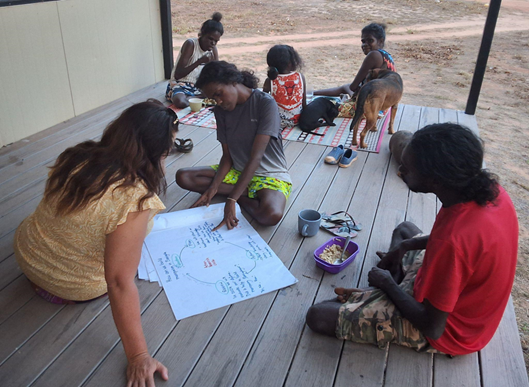
This program explores CVD burden, multimorbidity and receipt of health care among Aboriginal and Torres Strait Islander people, aiming to improve surveillance, models of care and outcomes. Past landmark studies include the ERASE project and the BAHHWA project. Our work recognises the importance of Indigenous Data Sovereignty1, Health Communication2 and Aboriginal capacity building3 in improving Aboriginal and Torres Strait Islander CV Health.

Clinical Epidemiology and Trials
Leads Tom Briffa, Frank Sanfilippo and Charley Budgeon
This research theme focuses on clinical trials, applied clinical epidemiology and pharmacotherapy to improve outcomes for patients with heart disease, valvular heart disease, and other cardiovascular and non-cardiovascular conditions.
This theme contributed to the Australian clinical guidelines for the diagnosis and management of acute coronary syndromes, helping ensure that emerging evidence is reflected in clinical care. It also contributed to a landmark study of pneumococcal vaccination in the prevention of adverse cardiovascular events, as well as national studies evaluating high-sensitivity troponin testing and the impact on patient outcomes, and cost-effectiveness. This work supports the translation of evidence into clinical practice and policy.
Current work includes the SPAN trial which is generating evidence to inform prevention and management strategies in cardiovascular disease, together with the EASY-AS trial evaluating management approaches in aortic stenosis.

Early-life foundations and life-course determinants of cardiovascular health
Lead Siobhan Hickling
This program examines how early-life conditions and life-course pathways shape cardiovascular and cardiometabolic health across generations. It focuses on maternal and child nutrition, growth patterns, health behaviours, and the social and environmental determinants that establish lifelong risk
Working across both Australian cohorts and low- and middle-income settings, including research programs in Northern Thailand (CHERish Kids, the NEST-WK birth cohort, and the NOURISH project), the theme generates evidence on how inequalities, food systems, and early exposures drive population health outcomes. This work is designed to inform policy and practice, with a focus on identifying critical windows for intervention and improving the design and delivery of early-life prevention strategies.
The program supports research training and capacity building, including multiple postgraduate dissertations and peer-reviewed research in maternal and child nutrition and early-life determinants of health. By integrating longitudinal data, epidemiological modelling, and partnerships with communities and health systems, the program supports scalable, context-specific approaches to preventing non-communicable diseases and reducing health inequalities and contributes to international scholarly discussion on cardiovascular prevention.

Pharmacoepidemiology
Lead Frank Sanfilippo
This program focuses on investigating medication use and adherence in patients with cardiovascular disease, and assessing the safety and effectiveness of these drugs in preventing cardiovascular and other adverse events. It utilises the group's expertise in linked health data, combining health data with data on dispensed medicines from the Pharmaceutical Benefits Scheme for analysis of relevant questions that impact the effective treatment of cardiovascular disease.