
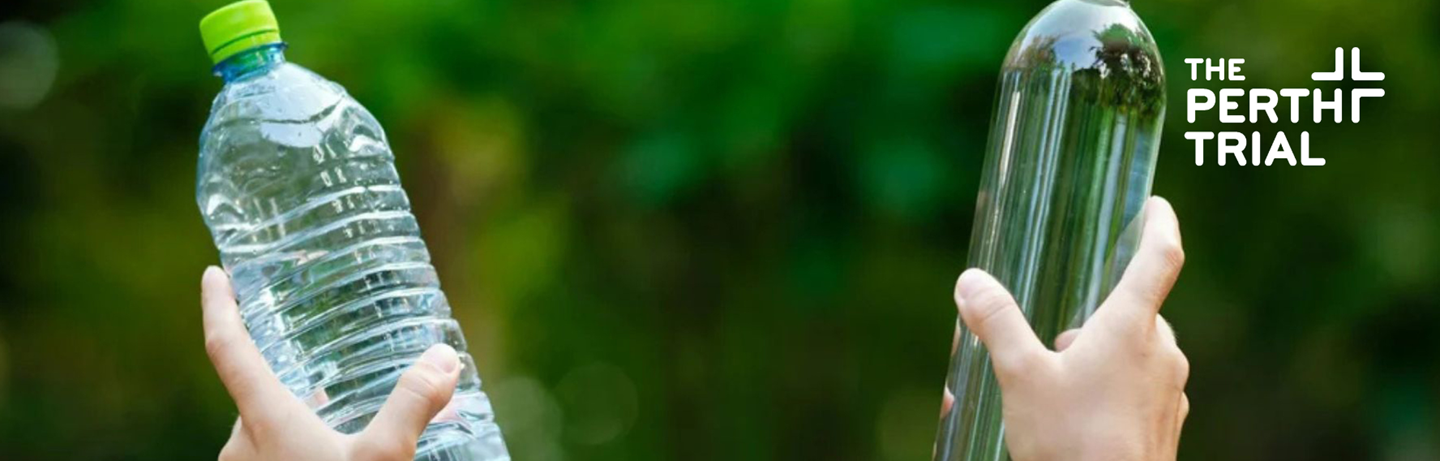
The PERTH Trial
Pursuing answers to the most pressing questions on plastic chemical exposure and human health.

The experts on plastic chemical exposure and human health
Clinical Professor Michaela Lucas leads this multidisciplinary research team, investigating exposure to plastic chemicals in adults in Perth, Western Australia.
Our team includes doctors, nurses, dietitians, statisticians, biologists, and other experienced professionals.
Plastics and human health is one of the key priorities of Minderoo Foundation, which funds the PERTH Trial.
The Work of The PERTH Trial
Reducing our exposure to plastics could transform our health. Australians are exposed to chemicals found in plastics every day, often without noticing. They can be found in the products we put on our skin, the clothing we wear, the air we breathe and the food we eat and more, but not enough is known about the impacts on health.
The most comprehensive clinical trial on plastic exposure and human health is being undertaken right now in Perth, Western Australia. This world-class team of researchers and clinicians are experts on plastics in the human body.
The University of Western Australia researchers on the Plastic Exposure Reduction Transforms Health (PERTH) Trial have spent the past three years measuring exposure to plastic chemicals and the levels of common plastic chemicals in adults across Perth, Western Australia.
The team investigated two major types of plastic chemicals, bisphenols and phthalates, both of which can interfere with endocrine (hormonal) functions in the human body and have been linked to infertility, and cardiometabolic disease.
More than 16,000 chemicals such as BPA, BPS and phthalates are commonly used in the manufacture of plastic for food and beverage packaging, kitchen utensils, cling film, plastic food and drink containers and personal care products, among many other items.
The PERTH Trial team, included dietitians, doctors, nurses, statisticians and biologists who analysed urine, blood and nasal samples, behavioural questionnaires and socio-demographic data from 211 healthy adult participants.
They found 100 per cent of participants showed high levels of plastic chemicals in their bodies, with each participant recording at least six different chemical types on any given day.
By assessing people’s exposure to plastics in their diet, environment and lifestyle, while measuring plastic chemical levels in their urine, the research team identified that highly processed, packaged and canned foods and beverages were significant contributors.
From the original study participants, 60 individuals were selected to be part of a randomised controlled trial involving a low plastic diet and lifestyle intervention, and divided into five groups. This enabled researchers to test the effectiveness of replacing food and beverages, kitchenware and personal care products with low plastic alternatives.
The PERTH Trial team is now studying how a low plastic lifestyle can improve health outcomes, with a particular focus on cardio metabolic and reproductive health.
Stage 4: Reproductive Health & Plastics
- Do you have an interest in finding out more about how plastics can affect your reproductive health?
- Are you concerned about how plastics are infiltrating every aspect of our lives, including our bodies?
- Did you know that plastic-associated chemicals are known endocrine disruptors, causing interference with our hormones and have been linked to reproductive, developmental, metabolic, and neurological health effects?
We are currently recruiting both males (aged 20-50) and females (aged 20-40) who have an interest in reproductive health and would like to help us in researching whether plastic can affect it.
Join us at the PERTH Trial in helping understand what effects plastics and plastic associated chemicals have on our reproductive health by being a participant in our trial.
Recruitment will soon be underway – in the meantime, to register your interest please email us at [email protected]
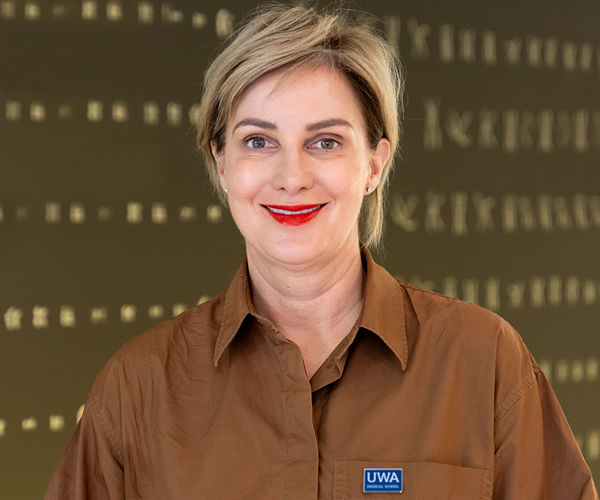
Research team leader
Clinical Professor Michaela Lucas
Internationally renowned Clinical Immunologist and Immunopathologist, Michaela Lucas, is the Principal Investigator for the PERTH Trial, leading a team of scientists, dietitians and clinicians investigating how plastic-associated chemicals like bisphenols and phthalates, trigger systemic inflammation and contribute to the development of chronic metabolic diseases.
Is there a ‘safe’ level of plastic chemicals in the human body? This is something we don’t have an answer to yet, and more research is needed.”Clinical Professor Michaela Lucas
Principal investigator
View our team and collaborators
Our published research
-
2026
-
2025
-
2024
-
2022
In the news
-
2026
- The Washington Post: 3 simple ways to reduce your body's exposure to plastic ... Feel like there's nothing you can do about your exposure to plastic? A study suggests you could make a difference in as little as seven days
- Newsbreak (US): Eating foods not wrapped in plastic dramatically cuts toxic chemicals found in urine
- Sydney Morning Herald: You can get plastic out of your body, but it's not easy
- The Sunday Times: How cutting back on plastic will improve kids' long-term health ABC News: Study shows removing exposure to plastic from our food chain yields quick results
- The West Australian: The Drastic Facts of Plastic
- Research shows fast and effective way to reduce plastics in body
- Philip Defranco on TikTok
- The Health Report
- Why BPA is just the tip of the (plastic covered) iceberg
- 7 News: Plastics heath crisis sparks lifestyle revolution
- Dr Karl Shirtloads of Science Podcast: The Hidden Health Impact of Microplastics with Prof. Michaela Lucas
-
2025
- Raising the Bar 2025 - Plastic People: Chemical exposure and our health
- The West Australian - Microplastics: UWA conducted PERTH study examines if we can resolve the health harms of plastic
- Body+Soul - 7 changes you can make to avoid microplastics in your home
- The Plastic Convenience Con: plastic toxicity, exposure and human health
- Plastics, Diet and Human Health: The Need for Policy Change – UWA Sustainable Development Goal Report 2025
- Could plastics be hiding in your food? New tool helps measure the invisible
- The West Australian: UWA conducted PERTH study examines if we can resolve the health harms of plastics
-
2024
Media Enquiries
Expert Q&A
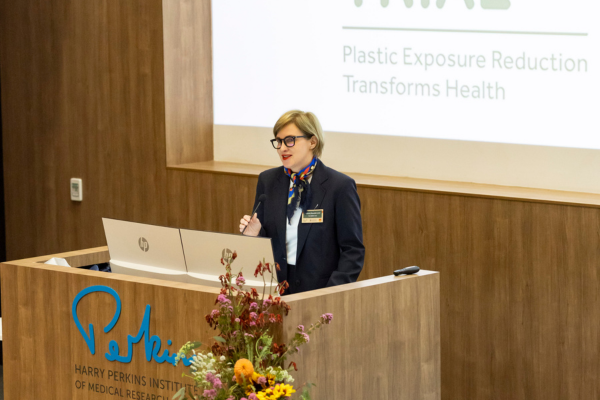
Clinical Professor Michaela Lucas
Q. Can I drink from a single-use coffee cup? It says it's made from plants!
Answer:
Even paper cups lined with so-called plant-based material (like corn starch) contain plastic chemicals to hold the substance together. There is no legal requirement for this information to be listed on the packaging, and manufacturers may not even know which chemicals it contains.
Previous research studies have shown that an average of 25,000 microplastic particles leach into hot water within 15 minutes (per 100 ml cup).
What should I do instead?
Sit instore and drink from a glass or ceramic cup, or byo ceramic mug, or stainless steel insulated cup (remove the plastic lid when you sip). Encourage your local café to start a mug library with second-hand ceramic mugs. If you forget your reusable, you can borrow a mug and bring it back clean the next time you visit.
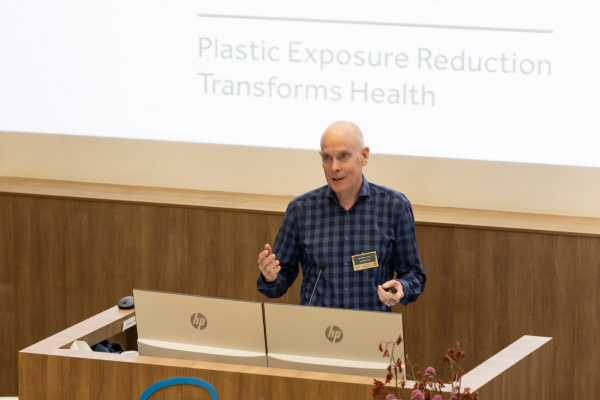
Dr Andrew Lucas
Q. Can I microwave my food and drinks in plastic containers? It says 'microwave safe'!
Answer:
Microwaving food is one of the most common ways to increases your plastic chemical exposure. As the plastic heats up it releases unknown amounts of chemical compounds into the food.
What should I do instead?
When heating food in the microwave use a ceramic or heat-proof glass container with a ceramic plate on top. If you need to store food in a plastic container in the fridge, line it with a paper towel or aluminum foil to create a barrier between your food and the plastic.
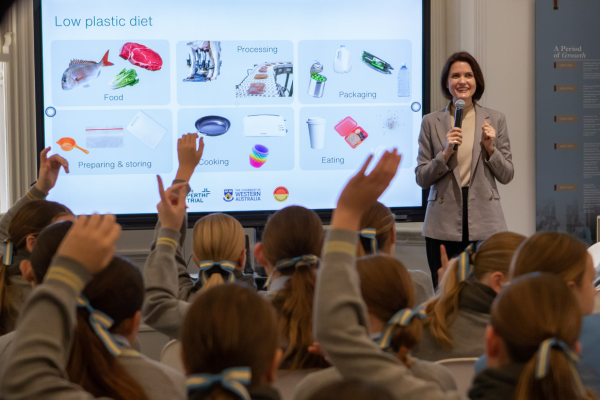
Dr Amelia Harray
Q. Can I cook with plastic utensils or mixing bowls and wash them in the dishwasher?
Answer:
Black plastic-coated cooking utensils lose plastic at an alarming rate when used in cooking, due to the plastic literally melting into your food. Non-stick surfaces also contain harmful chemicals that leach over time. The reason non-stick pans eventually lose their ‘non-stickiness’ is because all that coating has vanished into your food!
What should I do instead?
Replace all your plastic cooking utensils (spatulas, spoons, mashers etc), mixing bowls and non-stick pans with non-plastic options like stainless steel. Don’t add plastic to your dishwasher, wash it by hand instead.
Contact us
Email us at [email protected] or speak to our clinical research team:
Tamsin (Clinical Trial Coordinator)
M: 0413 355 866
We are located at the Harry Perkins Institute of Medical Research, QEII Medical Centre, Nedlands WA 6009
Parking information
Travel and Parking Instructions [PDF, 197KB]
The University of Western Australia Human Research Ethics Committee has approved this study (Approval ID: 2021/ET001118)