
Few people embody the spirit of The University of Western Australia quite like Professor Gina Ravenscroft. For 25 consecutive years, from the moment she attended her student welcome in the Somerville Auditorium, to becoming a globally recognised leader in rare disease genomics and neuromuscular disorders, UWA has remained central to her academic and research journey. Her appointment as the inaugural Dr Patricia Kailis Chair in Rare Diseases – a new endowed academic position made possible through the generosity of the Stan Perron Charitable Foundation and the Harry Perkins Institute of Medical Research – represents the culmination of that journey and the beginning of an exciting new chapter.
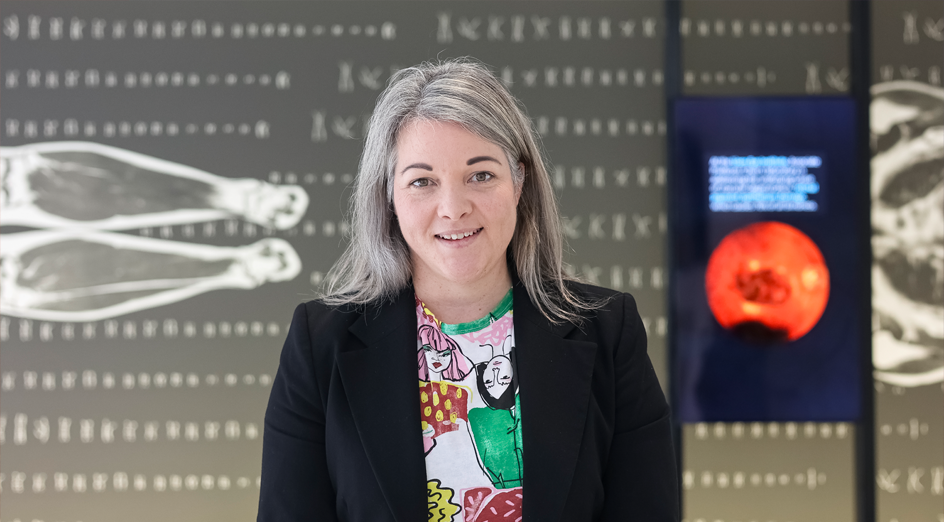
Image: Professor Gina Ravenscroft
Why genetics and rare disease research?
I started my UWA journey in 2001 as an undergraduate and fell in love with research as an Honours student in the Physiology Department. Through the mentorship of Professors Shane Maloney and Livia Hool, I became aware of the work of Professor Nigel Laing and joined his group to undertake a PhD.
I was drawn to rare disease research because I could see its incredible and immediate impact, from the benefits to families when receiving an accurate genetic diagnosis through identifying novel human disease genes, to the huge unmet need to develop treatments for these diseases.
In 2020, I was appointed Group Leader at the Perkins, and we continue to work towards mapping and identifying the genes that cause rare diseases, particularly neuromuscular diseases, while also developing targeted therapies.
The field is also incredibly collaborative. Solving rare diseases requires researchers, clinicians and families to work together, and I have enjoyed being part of that global effort throughout my career.
What are your plans and vision for the next five years as the inaugural Chair?
The Dr Patricia Kailis Chair in Rare Diseases provides long-term stability and allows me to focus on the big challenges facing the rare disease community. This stability ensures timely and accurate genetic diagnoses for all patients while accelerating the development of treatments.
I am also passionate about supporting students and early- and mid-career researchers. The long-term commitment behind this Chair and the Rare Care Comprehensive Centre will help our incredibly talented research team to grow and thrive.
How will this position build and strengthen UWA collaborations?
After all these years growing up at UWA, I often say that UWA is in my DNA and I have always been a strong advocate for medical research in WA and at UWA. I hope that through this position and my role as Lead of the Discovery Enabled Diagnostics Flagship within the Rare Care Comprehensive Centre, we can bring together clinicians, researchers and the rare disease community and grow this ecosystem – so that Western Australia becomes a global model for integrated rare disease care and research.
How does philanthropic support and funding enhance your area of research?
While national funding schemes often prioritise large interstate and international collaborations, the generous support of the Stan Perron Charitable Foundation creates opportunities to build local partnerships and capacity.
This investment represents the largest per-capita commitment to rare diseases anywhere in the world.
It is an enormous opportunity, but it also comes with a sense of responsibility to the families living with rare diseases, our donors, supporters and the Kailis family. It is a tremendous honour to be the inaugural Chair and to help continue Dr Patricia Kailis’ legacy in rare disease and human genetics.
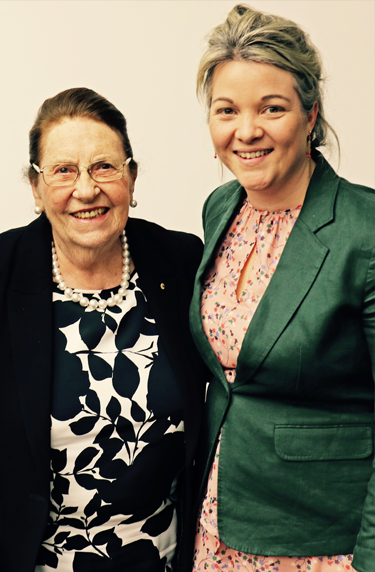
Image: Professor Gina Ravenscroft (right) with Dr Patricia Kailis
What keeps you hopeful in the face of these devastating rare diseases?
The families who advocate tirelessly for their children while navigating extraordinary challenges, leading the charge to come up with innovative ways of partnering with researchers and advocacy groups to develop, fund and administer personalised treatments. This is while doing one of the toughest jobs around – being parents.
I am also optimistic because we are at a really exciting inflection point, moving beyond diagnosis and towards personalised treatments and medicines. Recent advances, such as successful personalised CRISPR-based therapies, show what is now possible. This gives me great hope for what lies ahead.