
Anaesthesia and Pain Medicine
About us
The Anaesthesia and Pain Medicine research team, led by Professor Britta Regli-von Ungern-Sternberg, is the most active paediatric anaesthesia research program in Australasia.
The team works within a large interdisciplinary network and is actively involved in several international and collaborative networks. Locally, it collaborates with multiple specialities (ENT, General surgery, Sleep and Respiratory Medicine, Neonates, Pharmacy). The team conducts research on all aspects of clinical care, focusing not only on anaesthesia and pain medicine but also on perioperative outcomes and improving the care of our young patients.
In 2019, the team established an Anaesthetic Research Consumer panel, comprising caregivers/parents and young adult with lived experience to provide insight and invaluable information on their perioperative experience. They are the link between consumers, the community and researchers. We also have Youth Consumers who play an important role in shaping and improving our research.
Our team

Britta Regli-von Ungern-Sternberg
Chair of Paediatric Anaesthesia

David Sommerfield
Clinical Associate Professor
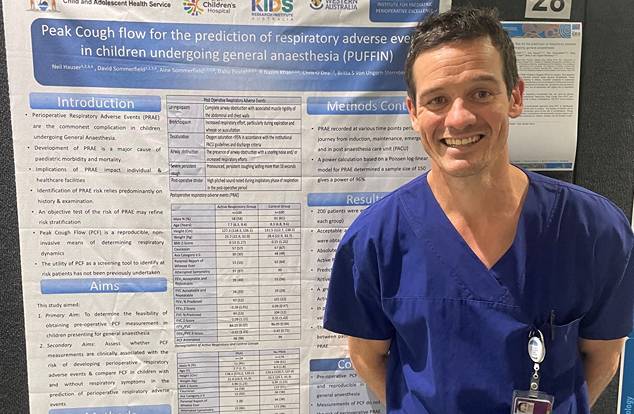
Neil Hauser
Adjunct Professor
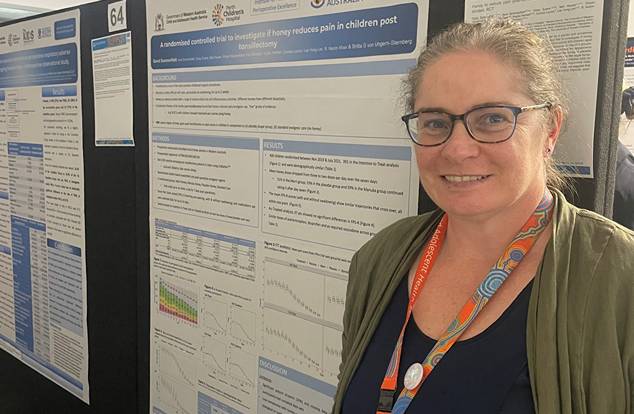
Aine Sommerfield
Adjunct Senior Research Fellow

Lliana Potts
Adjunct Research Fellow

Nazim Khan
Senior Lecturer
Anwen Taplin
Adjunct Research Fellow
Chloe Heath
Clinical Lecturer
Julie Nguyen
Adjunct Research Fellow
Justin Hii
Clinical Lecturer
Thomas Drake-Brockman
Clinical Lecturer
Mon Ohn
Adjunct Lecturer
Natalie Anderson
Adjunct Research Fellow
Daisy Evans
Adjunct Research Fellow
Current perioperative-related studies

-
Anaesthesia Management
OPTIMISE-2: LaryngOscoPy for neonaTal and Infant aIrway Management wIth Supplemental oxygEn at different flow rates: a multi-center, non-inferiority, prospective randomized controlled trial
POSSUM: investigating the impact of patient positioning before and after surgery and the occurrence of perioperative respiratory adverse events
CRICKET: Critical events in anaesthetised kids undergoing tracheal intubation – a prospective, multi-centre observational study
-
Physiological Studies
COMET: Investigating changes of lung mechanics after gas insufflation during laparoscopic appendectomy procedures
SAGA: Improving safety for young children with asthma undergoing general anaesthesia
BUFFALO: Investigating the use of high flow versus low flow oxygen administration in bronchoscopy surgeries
GIRAFFE: Investigating the use of high flow versus low flow oxygen administration in gastroscopy surgeries
-
Anaesthesia and the Brain
TREX: Comparing two anaesthesia management plans (sevoflurane vs low-dose sevoflurane with dexmedetomidine and remifentanil) and assessing neurodevelopmental outcomes
NIRS EEG: Investigating the incidence of perioperative cerebral desaturation in neonates undergoing selective surgeries
-
Pain Medicine
GAP: Gabapentin use to manage post tonsillectomy pain
CHIMP: Clonidine to help improve the management of pain post-tonsillectomy
POPSICLE: Multi-site study
investigating the prevalence, risk factors, and consequences of chronic pain following common paediatric surgeries
RAPID: Paediatric chronic pain management – understanding medication efficacy and burden of adverse effects
-
Postoperative Outcomes
CHEWY: Randomized trial of chewing gum versus ondansetron to treat postoperative nausea and vomiting in female patients after breast or laparoscopic surgery
MATES: Melatonin After Tonsillectomy to Enhance Sleep and Recovery in children
The PREVENT AGITATION trial II: Children ≤1 year
-
Anxiety and Pain Management
MAGIC COAT: Using the cognitive behaviour therapy program (the Magic Coat) developed for children by a teacher to build resilience and coping skills to develop a preoperative medicine version to help children deal with peri-operative anxiety and develop lifelong skills
POLARBEAR PAIN: Identifying if there is information overload among children living with chronic pain and their parents/carers
-
Consumer Engagement
COCAS: Core outcomes in children undergoing anaesthesia and surgery
ACORN PAIN: Consumer based study looking to formulate a list of top 10 research ideas for children with chronic pain
FROG: Consumer based study looking to formulate a list of top 10 research ideas for neonates requiring surgery
-
Qualitative Studies
ANTELOPE: ANxiety Themes and Experience: Learning through Qualitative Interviews to Optimise the Perioperative Environment
QUENDA: QUalitative Exploration to uNderstand pain in children and Develop novel technologies to Address challenges
VITAL: Validation of HLS-Child-Q15 In English, a Tool to Assess paediatric health Literacy