
Future Regions Lab
Regions are crucial and complex units; a respective region emerging from a distinct interplay of geographic, economic, political, cultural and ecological factors.
The regional unit is useful in denoting governance or administrative jurisdictions, understanding cultural identity, economic and urban planning and development, resource management and care, and enabling collaboration and cooperation.
The Future Regions Lab adopts a broad interpretation of regions, specialising in both regional Australia, Australia’s regions (which may include cities) and regions in the Asia-Pacific. It seeks to understand inequality within and between these regions, with attention to industry, communities or groups in the socio-economic or geographic periphery.
The Future Regions Lab has two aims:
- To understand the contemporary challenges and characteristics of regions, particularly against the backdrop of global market restructuring, growing socio-economic inequity and disadvantage, urbanisation and population pressures, and ecological crises
- To provide evidence-based findings to inform regional strategic decision-making and policy strengthening sustainable industry and community futures
The Future Regions Lab focuses on the following research and policy areas:
- Technology advancements and innovation to improve labour productivity, business opportunities, industrial transitions and the attractiveness of living in a specific region
- Industry and business opportunities, challenges and responses to recent global shocks reconfiguring trade and production relationships
- Ecological crises and the shift toward the greening of and resource efficiency in industry and urban areas
- Urban and regional structural inequality and disadvantage in vulnerable socio-economic communities to strengthen sustainable development outcomes and goals
Projects
WAterways
WAterways
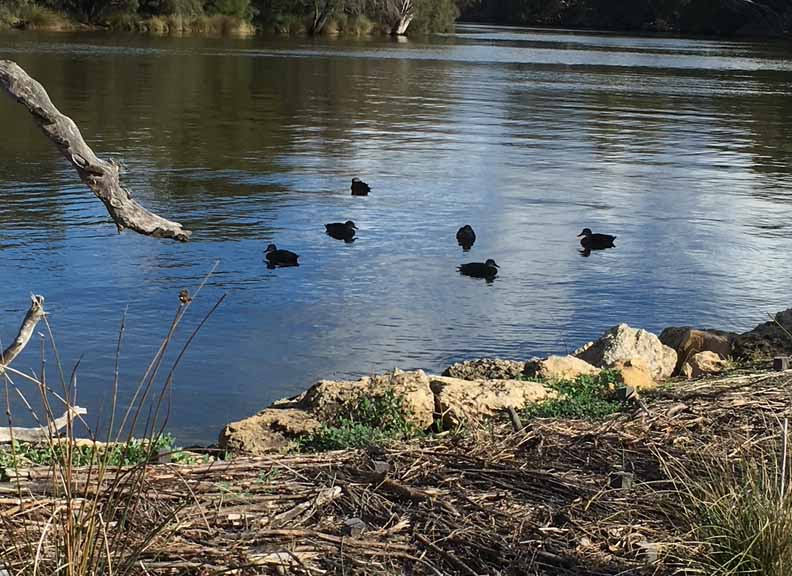
Western Australia’s rivers, streams, lakes, estuaries, floodplains, and wetlands comprise a system of ancient waterways that have given life to some of the world’s most distinct and diverse ecosystems. But, urban and industrial development of the state over the last two centuries have led to multiple ecological crises and the degradation of many water bodies, which are further complicated by increasing societal demands and a drying climate.
Supported by the Feilman Foundation, the WAterways Program aims to leave a legacy of reconnected communities and waterways. It will do so by collaboratively tackling the urgent and complex ecological challenges of Western Australian waterways and enhancing community long-term health and well-being in a shared journey of projects, events and initiatives to increase knowledge, understanding, commitment and impact.
To learn more, please visit WAterways Western Australia.
Next-Generation Critical Mineral Value Chains

Next-Generation Critical Mineral Value Chains
The global transition to net zero and growing demand from advanced manufacturing, defence and aerospace industries are increasing the strategic importance of critical minerals, while creating pressures to improve productivity, sustainability and supply chain resilience. Australia is well positioned to respond through its strengths in mining, automation, robotics, remote operations, artificial intelligence, digital technologies and mining equipment, technology and services (METS). These capabilities support both existing critical mineral industries and emerging resource opportunities, including space-resource activities.
This project investigates how technology-driven process innovation can strengthen value creation, productivity and sustainability across critical mineral value chains. It examines how firms, particularly SMEs, can leverage advanced technologies to enhance competitiveness, expand value-added activities and access new market opportunities. The research will provide evidence-based insights to support innovation, capability development and strategic investment. Outcomes will strengthen supply chain resilience, support economic diversification and downstream processing, and enhance Australia's sovereign capability and role in global critical mineral value chains.
Innovation in the peripheries

Innovation in the peripheries
This project examines how innovation emerges and succeeds in regional, remote and other non-metropolitan areas. Rather than viewing these places as less innovative than major cities, it recognises that many generate globally significant innovations by building on local industries, capabilities and networks. Examples include Western Australia's leadership in autonomous mining and remote operations, regional renewable energy developments, agricultural technologies and specialised engineering firms serving global mining, defence and space industries.
The project investigates why some peripheral regions become centres of innovation while others do not, focusing on the roles of industry capabilities, skilled labour, collaboration networks, infrastructure, investment and policy support. It also challenges the assumption that geographic remoteness equates to economic disadvantage, highlighting the strategic role many regional areas play in global value chains. The findings will provide industry and government with evidence-based strategies to unlock regional innovation, attract investment, strengthen participation in high-value industries, build sovereign capability, and drive long-term economic growth, resilience and competitiveness.
Regional Development and Resilience in Indonesia

Regional Development and Resilience in Indonesia
Indonesia faces significant regional development challenges and opportunities driven by urbanisation, economic transformation, population growth and climate change. Despite strong economic growth, many regions continue to experience poverty, food and energy insecurity, infrastructure deficits, environmental pressures and socio-economic inequality.
This project examines how infrastructure, planning, governance and community development can support more inclusive and resilient regional development across Indonesia. It explores key issues including poverty reduction, food, water and energy security, workforce development, digital connectivity, migration, disaster resilience and regional inequality. Attention is given to how governments, communities and industry can collaborate to strengthen local economies, improve quality of life and build regional resilience.
Indonesia is a strategic focus for the Future Regions Lab due to its proximity to Australia and the long importance of bilateral cooperation in trade, infrastructure, food and energy security, climate adaptation and regional governance. The research will inform policy, strengthen Australia-Indonesia collaboration, and support more prosperous, sustainable and resilient regions across Indonesia.
Rural Innovation and Diversification

Rural Innovation and Diversification
Rural and peri-urban communities face growing economic and environmental challenges, including climate variability, labour shortages, rising production costs and increasing demands for sustainable food production. At the same time, interest in local food, nature-based tourism, regenerative agriculture and premium regional products is creating new opportunities for diversification and growth.
This project explores how agriculture and tourism can strengthen rural economies and communities. It examines how farmers, businesses and community organisations create value through agritourism, food and wine tourism, regenerative agriculture, niche production and place-based branding. It also investigates the role of entrepreneurship, local networks and collaboration in supporting innovation and adaptation.
The findings will help industry and government identify opportunities for rural diversification, agricultural competitiveness and tourism growth. The research will inform regional development strategies that attract investment and talent, support industry innovation, and build resilient, sustainable rural economies and communities.
Beyond Borders: Balancing Global Connectivity and National Sovereignty
Beyond Borders: Balancing Global Connectivity and National Sovereignty
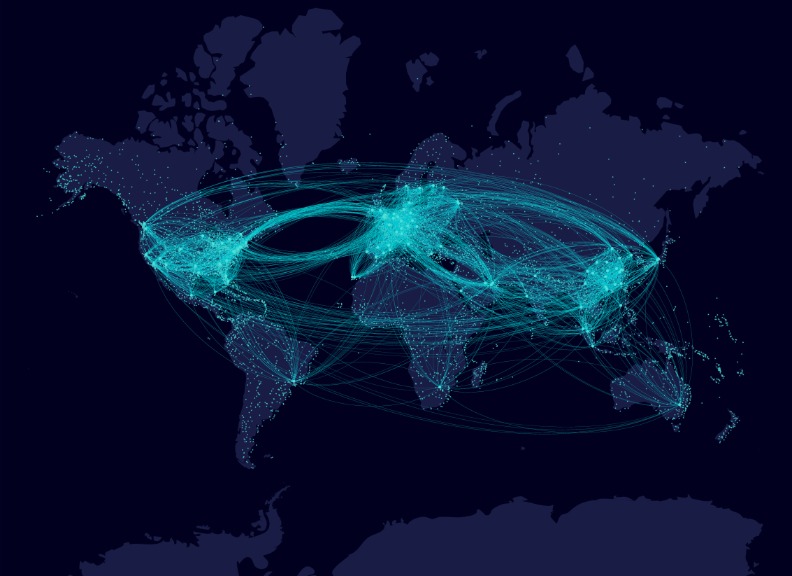
Multinational firms organise production and innovation across countries, linking resource regions, manufacturing centres and financial hubs. These networks influence where economic activity occurs, who captures value, and how nations participate in the global economy.
At the same time, governments face growing challenges in balancing global connectivity with national sovereignty and security. Cross-border flows include labour migration, digital data and technology alongside trade and investment. While these flows support growth and innovation, they also create physical and digital risks, including biosecurity threats, pandemics, irregular migration, cyberattacks, foreign interference and intellectual property theft.
This project examines how global production networks, multinational corporations and cross-border mobility shape economic development and national sovereignty. It investigates how firms organise production and labour across space, how migration and investment connect places and industries, and how governments manage the risks and opportunities of global interconnectedness.
The findings will inform policy on migration, border security, biosecurity, cybersecurity and digital sovereignty, helping governments strengthen economic resilience, competitiveness and national security in an increasingly interconnected world.
Structural Inequality, Employment Transformation and Future Planning

Structural Inequality, Employment Transformation and Future Planning
Technological change, remote and hybrid work, digital platforms, demographic shifts and the transition to a low-carbon economy are reshaping labour markets and economic opportunity. While these changes create new employment pathways, they can also deepen inequalities in access to jobs, housing, services, digital connectivity and economic participation, particularly in outer suburban, peri-urban and regional communities.
Traditional planning approaches, including jobs-housing ratios and employment targets, often fail to reflect increasingly flexible and digitally enabled forms of work. This limits governments' ability to effectively plan for future workforce and infrastructure needs.
This project investigates how economic and technological transformations are changing the geography of employment and patterns of advantage and disadvantage. It examines who benefits from emerging forms of work, where opportunities are concentrated, and how planning and policy decisions affect access to economic opportunity.
The findings will inform policies on housing, transport, digital infrastructure, skills development, employment land use and regional investment, helping governments reduce structural inequalities, improve workforce participation, and support more inclusive, productive and resilient communities.
Energy Security, Circular Economy and Sustainable Futures

Energy Security, Circular Economy and Sustainable Futures
Climate change, resource constraints, population growth, and rising demand for energy and materials are placing increasing pressure on natural and human systems. At the same time, governments and industries must sustain economic prosperity, competitiveness, community wellbeing and reliable energy supplies. Balancing these objectives is a defining challenge of sustainable development. Approaches such as the circular economy, industrial symbiosis, renewable energy systems, sustainable resource extraction and energy storage offer pathways to strengthen sustainability, resilience and energy security.
This project examines how economic development, environmental sustainability, social wellbeing and energy security can be better aligned through planning, innovation and governance. It investigates how stakeholder networks, institutions and collaborative governance influence the adoption of circular economy practices, industrial symbiosis and energy transitions, and how organisations exchange knowledge and resources to support sustainable development.
The findings will identify opportunities and barriers to building more circular, low-carbon and energy-secure economies, informing planning, investment and policy decisions that improve resource efficiency, strengthen energy resilience and support long-term economic, environmental and community outcomes.
Future@Work

Future@Work
Advancements in technology and social media platforms have enabled new and emerging ways to engage with work and employment. For example, workers in the gig economy are considered self-employed or independent contractors who offer services whenever they choose through digital platforms. Gig workers now offer a range of ride-share, food or grocery delivery, on-line tutoring, graphic design, etc services to clients. Another form of digitally enabled workers are digital nomads who use technology to work remotely so they can travel and live anywhere in the world which has access to the Internet. They are often professionals who do free-lance work but can also work for companies that support their nomadic lifestyle.
Despite the rise of digitally enabled work types, limited research to date has examined how technology is revolutionising employment, the dynamics of such a lifestyle, and the impact of this workforce on land use planning, e.g. employment centres. This project aims to investigate these areas. Current project collaborators are Associate Professor Kirsten Martinus and Associate Professor Thomas Sigler (University of Queensland).
Our team
- Associate Professor Kirsten Martinus
-
Kirsten Martinus is an Associate Professor at the School of Social Sciences, The University of Western Australia. Prior to becoming an academic, she worked as an economic development consultant and Japanese/English interpreter while residing in Australia, USA, Indonesia and Japan.
Her work is interdisciplinary, balancing fundamental research with applied outputs to inform economic development strategic policy and decision making across government. Kirsten’s work examines the (re)distribution of resources (mining, energy, innovation, labour, wealth) across regions, and the socio-economic factors increasing regional competitiveness (productivity/innovation) and mitigating uneven development.
Kirsten has won several large competitive grants for her research including an Australian Research Council Discovery Project and early career fellowship (DECRA). She is a board member for the Australian Academy of Sciences National Committee for Geographical Sciences and Institute of Australian Geographers, and on the editorial boards of Geographical Research, Applied Geography and Global Networks.

- Professor Amanda Davies
-
Professor Amanda Davies is a social scientist with expertise in demography, population geography, and rural and regional development. Her research focuses on examining population growth, distribution, and patterns of demographic change, particularly in response to economic, social, or climatic challenges.
As an applied researcher, Amanda works closely with industry and government to deliver timely and relevant information that informs policy. She is one of Australia's leading public commentators on population and demographic issues. Amanda’s work has been particularly influential in raising awareness about Australia’s declining fertility rate and shaping public policy responses. Through her partnerships with government and industry, Amanda explores the application of emerging and innovative social science methods, with a focus on linking datasets to enable longitudinal or comparative spatial analyses.
- Professor Sharon Biermann
-
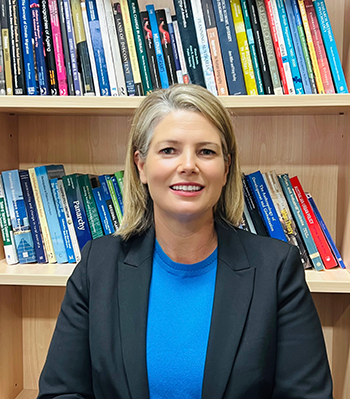
Sharon Biermann is Professor and Director of the Planning and Transport Research Centre (PATREC), hosted at The University of Western Australia. PATREC is a collaboration between three Western Australian universities and three government departments as well as the Local Government Association. She is responsible for delivering on the PATREC mandate, to conduct collaborative, applied research and teaching in support of policy in the connected spaces of transport and land use planning. Her role includes leading and conducting research projects in the areas of integrated land use and transport futures; smarter personal travel decisions; integrated freight system optimisation; emerging technology; network optimisation and intelligence and transport infrastructure investment risk management.
She has recently established a new program of research in relation to climate action in land use and transport planning. With a PhD in Geography, her specific areas of expertise include: scientific research leadership and management of integrated planning and infrastructure programs, Planning Support Systems and integrated land use and infrastructure planning and modelling.

- Associate Professor Bryan Boruff
-
Bryan Boruff is an environmental geographer and Associate Professor in the UWA School of Agriculture and Environment, the University of Western Australia (UWA). He has expertise in the application of Geographic Information Systems (GIS) and Remote Sensing (RS) technologies to a range of environment management issues.
Over the past decade, Dr Boruff’s collaborations have include research on physical activity and health outcomes, urban vegetation measurement and monitoring, information and communications technology for development, sustainable livelihoods, and renewable energy and agricultural production. These collaborations have resulted in significant contributions to the use of GIS and RS in the fields of population health, planning, international development, and environmental science as well as through the promotion of Geography across a range of multidisciplinary projects.
- Professor Anu Rammohan
-
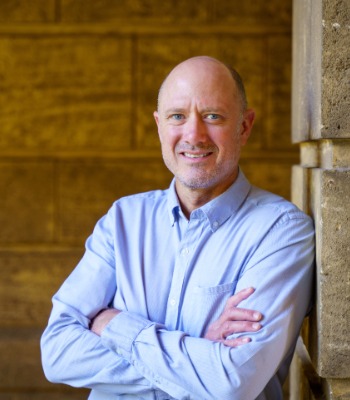
Anu Rammohan is a Professor of Economics, and Director of International Engagement (Business School) at The University of Western Australia. She is also the Senior Research Fellow at UWA for the Australia Indonesia Centre’s Partnership for Australia Indonesia Research’s (PAIR) program. She led the UWA Australia India Institute from 2018-2022. She is on the Steering panel of the ARCH-India (Australia Research Collaboration-India) and in this capacity has served on selection panels for Australia-India research collaboration grants supported by the Department of Education. Anu currently serves as a member of the Australian Research Council's College of Experts, which oversees Australia’s largest competitive national research grants program. She was previously on the Editorial Board of Economic Record.
Her research is in Development Economics, Health Economics and Agriculture Economics. The focus of her research has been on understanding household vulnerability and socio-economic factors that can influence education differences, maternal and child health outcomes, gender discrimination and food security issues in South and South-East Asia. As such, her research is multidisciplinary and brings an economics lens to research in Public Health, Agriculture and Geography. She has received research funding of over $9 million through competitive research grants from the Australian Research Council, DFAT, Australian Council of International Agriculture Research, Department of Health (WA), and the Australia India Institute. Her research has been presented at numerous invited research seminars and conferences, both nationally and internationally.

- Associate Professor Thomas Sigler
-
Associate Professor Thomas Sigler (Deputy Head, School of Earth and Environmental Sciences at The University of Queensland) is an urban and economic geographer with a longstanding interest in how globalisation shapes cities and regions. His projects focus on the impacts of international firm activity on urban form and structure, in addition to how corporate activities connect disparate places through networks of knowledge.
His collaboration with Associate Professor Kirsten Martinus and Professor Matthew Tonts has spanned more than a decade, leading to several Perth-related projects and studies. His current work focuses primarily on the impacts of Airbnb and other short-term rental platforms on Australian cities. He has published more than 100 scientific papers, and serves on the editorial boards of four international journals.
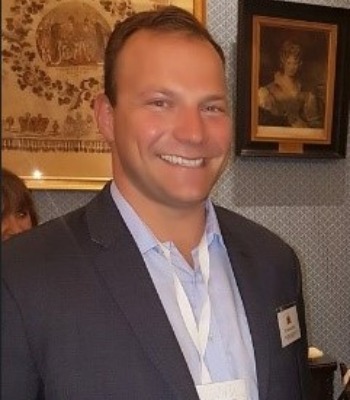
- Doctor Bingjie Song
-
Doctor Bingjie Song is a human geographer in the School of Social Sciences at the University of Western Australia. Her research focuses on regional and rural development in China and Australia, with particular attention to socio-economic transitions in agriculture and mining. She examines how farmers, workforces, governments, and industry actors respond to changes driven by market reforms, decarbonisation, and rural demographic shifts, using applied social science and mixed methods.
Beyond academia, her research engages directly with stakeholders and informs practice. She has led an industry-funded project in the Bowen Basin, developed in partnership with mining industry partners, local communities, and regional NGOs, examining how technological change reshapes job structures and skill demands in mining. She also collaborates on policy-relevant research in China, including a Ministry of Education–funded project on agricultural ecological efficiency and sustainability in the Yellow River Basin, building on her expertise in multifunctional agriculture. She welcomes collaborative research with academic, industry, and policy partners.

- Anna Costello
-
Anna Costello is a full time staff member of the Future Regions Lab in the School of Social Sciences. She has a Master’s of Urban Design, with a specialisation in Environmental Planning, and a bachelor’s degree of Landscape Architecture, from UWA.
She has developed a number of key research interests throughout her educational experiences, resulting in a passionate understanding of Ecological Urbanism, Biodiversity Sensitive Urban Design, Water Sensitive Urban Design and the enhancement of water-dependent ecosystems, and equality in urban planning, particularly in the delivery of social and affordable housing.
She is enthusiastic to broaden her knowledge of planning to include the challenges and opportunities faced beyond that of the urban realm, and aspires toward a future in which she will help to shape the future of Western Australia.

- Amy Buehrig
-
Amy Buehrig is a Research Assistant at the Future Regions Lab in the School of Social Sciences, focusing on the WAterways Program.
She is currently a Bachelor of Arts student at the University of Western Australia, majoring in English & Literary Studies and Law & Society with a minor in Creative Writing Studies. She is enjoying the diverse nature of her degree, and hopes to deepen her knowledge of the Humanities and the Social Sciences, and the connections between them, as she continues her studies. She is looking to do further study after completing her bachelor’s, either through research or undertaking the Juris Doctor
PhD students
- Devy Dhian Cahyati
-
Devy Dhian Cahyati is a PhD student at the School of Social Sciences, UWA. She holds a scholarship from the Australian Government’s Research Training Program (RTP), and is a lecturer in the Department of Politics and Government, Universitas Gadjah Mada, Indonesia. Alongside her teaching responsibilities, she has conducted research in areas such as gender politics, natural resource governance, and local politics.
Currently, her doctoral research focuses on gender relations and social reproduction in everyday cassava production. This study explores women's involvement in cassava production and investigates how they navigate and challenge gender gaps in their daily practices. By examining these dynamics, her research aims to contribute to promoting gender equality in agricultural production, particularly by advocating for more inclusive and equitable practices for women in the cassava sector.
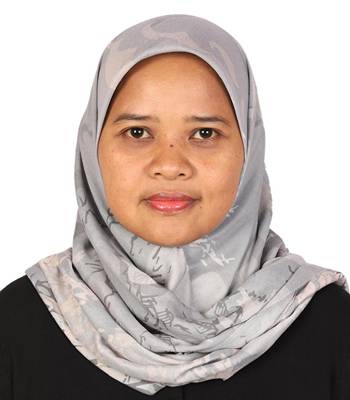
- Stiffan Djami
-
Stiffan Djami is currently undertaking a PhD degree at the School of Social Sciences at The University of Western Australia. He is a distinguished recipient of the Indonesia Endowment Fund for Education, commonly known as the LPDP Scholarship, awarded by the Ministry of Finance of Indonesia. Prior to his doctoral studies, he secured the same scholarship to pursue a Master of International Trade and Development at the University of Adelaide during the academic year of 2016-2017.
Stiffan is a diplomat and foreign service officer at the Ministry of Foreign Affairs of the Republic of Indonesia. He embarked on his career in the world of diplomacy in 2014 and was once posted to the Indonesian Embassy to the Slovak Republic in Bratislava in 2020-2023. Prior to joining the Ministry of Foreign Affairs, he has worked in TV, radio, and banking.
Stiffan’s current research endeavours are focused on critical and current debates on the complex dynamics of environmental sustainability and global trade. His research emphasizes on how a country’s sustainability frameworks influence the trade performance of other countries, including global value chains, market access, and export competitiveness. His research also explores how such framework affects developing countries’ participation in the multilateral trading system. In this context, the nexus of the European Union's Renewable Energy Directive and Indonesian palm oil is taken as a case study. Stiffan contends that this study is of paramount importance, which can contribute to the ongoing debate on how to balance trade and sustainability.

- Anita Herlina
-
Anita Herlina is a PhD student at the School of Social Sciences of The University of Western Australia. She received a scholarship from the Indonesia Endowment Fund for Education, Ministry of Finance of Indonesia.
Anita has 20 years experience in Indonesian immigration and policy, as a lecturer and immigration officer in Indonesia. She has researched various areas of migration such as Indonesia-Australia immigration cooperation, Indonesia's migrant workers, refugees, transnational crimes particularly how immigration policy affects human security.
Anita is currently exploring how effectively the Indonesian border management policy addresses comprehensive non-traditional security threats such as irregular migration, human trafficking, people smuggling, infectious disease, and climate change. She aims to understand best practice for Indonesian immigration policy in protecting sustainable national security, human security, and economic growth and increasing regional and international cooperation with the state and non-state actors of migration areas. She is also a mentor for "PhD Mama Indonesia", a voluntary social community for mothers wanting to pursue a PhD. In this role, she supports mentee scholarship applications, such as reviewing research proposals, advising on test preparation and interview techniques.

- Randi Kurniawan
-
Randi Kurniawan is a PhD student in the School of Social Sciences at The University of Western Australia. He is also a lecturer at the Faculty of Economics and Business, Universitas Hasanuddin, Indonesia, and researcher at Local Governance Celebes, a research institution focusing on regional development issues, particularly in eastern Indonesia. He is a recipient of an HDR Scholarship and University Postgraduate Award from The University of Western Australia.
Prior to commencing his doctoral studies, Randi gained extensive experience in teaching, research, training, and local development planning consulting in Indonesia. He has been actively involved in a range of government-related projects at both national and sub-national levels, covering areas such as local development planning, poverty alleviation strategies, economic development masterplan, regional competitiveness, energy transition, and blue economy development. His work has frequently involved collaboration with local and central governments, as well as research institutions, to develop evidence-based development strategies and strengthen regional planning capacity in Indonesia.
His doctoral research examines the causal effects of internet connectivity and digital infrastructure on employment outcomes, business performance, and regional development in Indonesia. Using large-scale microdata, spatial econometrics, network analysis, and causal inference methods, his research explores how digital connectivity shapes employment opportunities, firm performance, and broader regional development outcomes. Through this research, he aims to contribute to policy discussions on how digital technology affects economic and regional development in emerging economies.

- Sandry Putro
-
Sandry Putro is a PhD student at the School of Social Science at The University of Western Australia. He is a awardee of the Indonesia Endowment Fund for Education (LPDP) Scholarship from the Ministry of Finance of the Republic of Indonesia.
Prior to commencing his doctoral studies, Sandry built over a decade of experience in regional development planning and public policy in Indonesia. His professional background includes strategic planning, investment policy, and regional economic development at the sub-national level, where he worked closely with local governments on development strategy and institutional strengthening.
His current research examines how green investment and regional policy shape uneven development outcomes across regions. Drawing on spatial analysis and institutional perspectives, his work explores how investment, human capital, and governance interact to influence balanced and inclusive regional development. Through this research, he aims to contribute to policy debates on sustainable development, regional resilience, and more equitable growth pathways in decentralised contexts.

- Bayley Sassella
-
Bayley Sassella is a PhD student in the School of Social Sciences at the University of Western Australia, where she is the recipient of the Australian Government Research Training Program (RTP) scholarship. She is supervised by Professor Kirsten Martinus and Dr Ari Jerrems.
In 2024, she completed a Bachelor of Arts with majors in Political Science and International Relations and Philosophy from the University of Western Australia. In 2025, she received her First-Class Honours with research involving the examination of how borders are understood through the Polyphagous Shot-Hole Borer invasion in Perth.
Bayley’s research interests lie in security and border studies that involve environmental governance in the state of Western Australia. Her PhD investigates the socio-political dimensions of biosecurity through the lens of Critical Security Studies, with a focus on knowledge production, expertise and invasive species governance. Her research aims to generate insights that contribute to more transparent and accountable approaches within environmental governance.
- Demokrat Xhori
-
Demokrat Xhori is a PhD student at the School of Social Sciences and is supervised by Professor Kirsten Martinus and Professor Amanda Davies. His doctoral research is funded by a scholarship from the Medical Research Future Fund and The University of Western Australia.
Demokrat holds a Bachelor’s degree in Governance and Public Policy from the University of Passau and a Master’s degree in Political Science from the University of Bonn, Germany. His academic research encompasses a diverse range of areas, including international relations, security policy, globalisation, inter-ethnic relations, and communication. He has acquired professional experience in policy consulting, project management, and journalism. Additionally, he has completed internships and training programs in, among others, the Parliament of Berlin, the German Federal Ministry of Research, the German International Development Agency, and the Institute of Strategic Studies and Training (Federation of European Education).
Demokrat’s doctoral research focuses on issues related to crisis communication during the COVID-19 pandemic in Australia and in Europe. Within this framework, his research explores how political views and values are related to public attitudes towards health policies and the communication around those policies, as well as the broader implications for crisis governance and political science theories.

News
Crypto could be the newest Wheatbelt industry, so what do we need to know?
Northam residents have serious concerns about the development of a crypto-mining centre that was approved to be built near the town last year.
Read moreCritics question how $13 billion US–Australia critical minerals deal will benefit WA
Pennsylvania-based Alcoa will be among the first to benefit from a $13 billion critical minerals deal between the United States and Australia.
Read moreDig, ship, repeat: How Australia could miss the real hydrogen opportunity
History offers a warning to countries that create new industries without capturing their value.
Read moreTransmigration study finds benefits for second generation
Second-generation migrants tended to become dominant players in their adopted farming area
Read moreFor the Love of Bees
Some of the ways backyard beekeepers benefit commercial operations and vice-versa
Read more